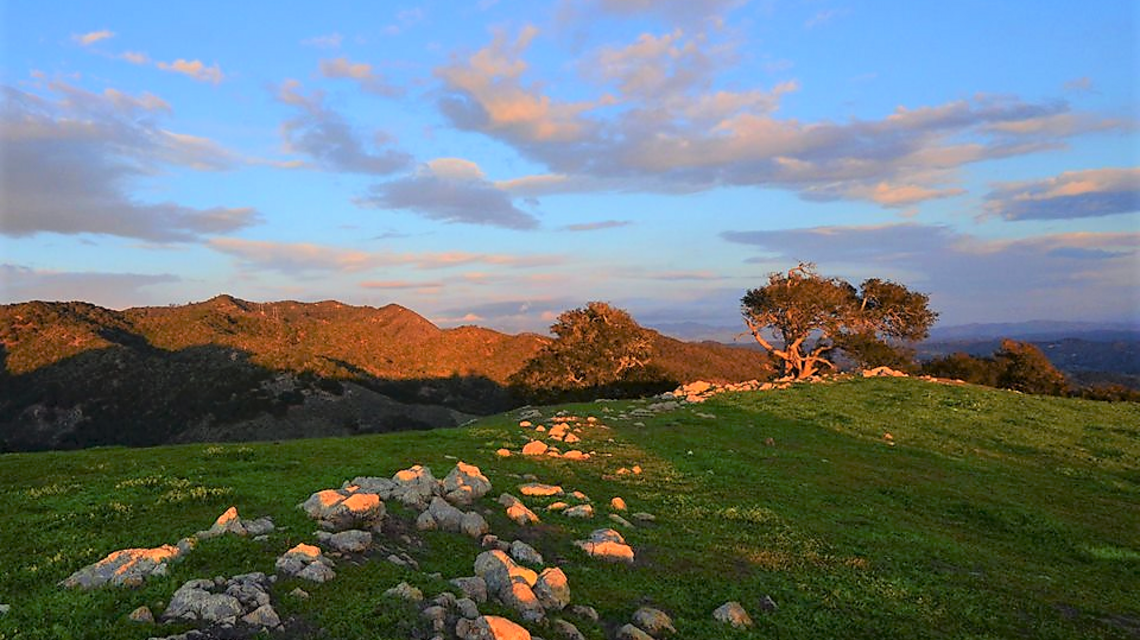
Acquisition was the first step. Now comes the work of protecting Wild Cherry Canyon
Author: Dawn Ortiz-Legg
Date: 9/21/2026 12:17 PM
The future of Wild Cherry Canyon reached an important milestone last week as the California State Coastal Conservancy approved funding to support The Wildlands Conservancy’s acquisition of the property.
The action moves this remarkable portion of the Diablo Canyon Lands closer to permanent conservation, future public access, and tribal co-management, while beginning the next important conversation about responsible access and long-term stewardship. This past week marked an important milestone for the future of the Diablo Canyon Lands and our Central Coast coastline. The California State Coastal Conservancy approved funding to support The Wildlands Conservancy’s acquisition of Wild Cherry Canyon, moving this remarkable property closer to permanent conservation, future public access, and tribal co-management.
Wild Cherry Canyon is part of an extraordinary stretch of coastline—rugged, largely undeveloped, rich in natural and cultural resources, and deeply connected to the history of the original inhabitants who have called this area home for more than 10,000 years. Protecting this landscape creates an opportunity not only to preserve it, but to think carefully about what stewardship of these lands should look like for generations to come.
I am grateful to The Wildlands Conservancy, Senator John Laird, the State Coastal Conservancy, tribal representatives, conservation partners, members of the Diablo Canyon Lands Community Working Group, and the many community members who have remained engaged in determining the future of these lands. But as exciting as this milestone is, acquisition is not the end of the conversation. In many ways, it begins the next—and perhaps most important one.
How do we ensure these lands are protected while thoughtfully preparing for people to experience them? Conservation must remain at the heart of that discussion. So must meaningful tribal partnership and respect for the cultural resources, sensitive habitats, wildlife, and unique character of this coastline.
At the same time, future public access will require careful planning. Anyone familiar with this stretch of the Central Coast understands its rugged and remote nature. Expanding public access can provide tremendous recreational and educational opportunities, but increased visitation also brings very real considerations: medical emergencies, wildfire, search and rescue, water rescue, law enforcement, traffic, parking, and emergency access. Those challenges should not prevent us from envisioning a future where the public can experience these lands. They should encourage us to plan for that future carefully and responsibly.
That is why I have asked the Coastal Conservancy to engage early with San Luis Obispo County, the Sheriff’s Office, CAL FIRE, Port San Luis Harbor District, State Parks, tribal partners, and other appropriate agencies as management and public-access plans move forward.
Our goal should be more than simply creating public access. It should be creating responsible public access—access that is safe for visitors, respectful of tribal and cultural resources, compatible with conservation, and sustainable for the agencies and communities that will help support it. There will be many decisions ahead, and our community should continue to have a voice in those conversations. The Diablo Canyon Lands Community Working Group and future public planning efforts will be important opportunities to listen, collaborate, and work through the details together.
The Coastal Conservancy’s action this week gives us reason to celebrate. Protecting Wild Cherry Canyon represents an extraordinary opportunity to preserve a piece of the Central Coast. Now we have an equally important responsibility: to be thoughtful about what comes next.